
The quiet work of looking
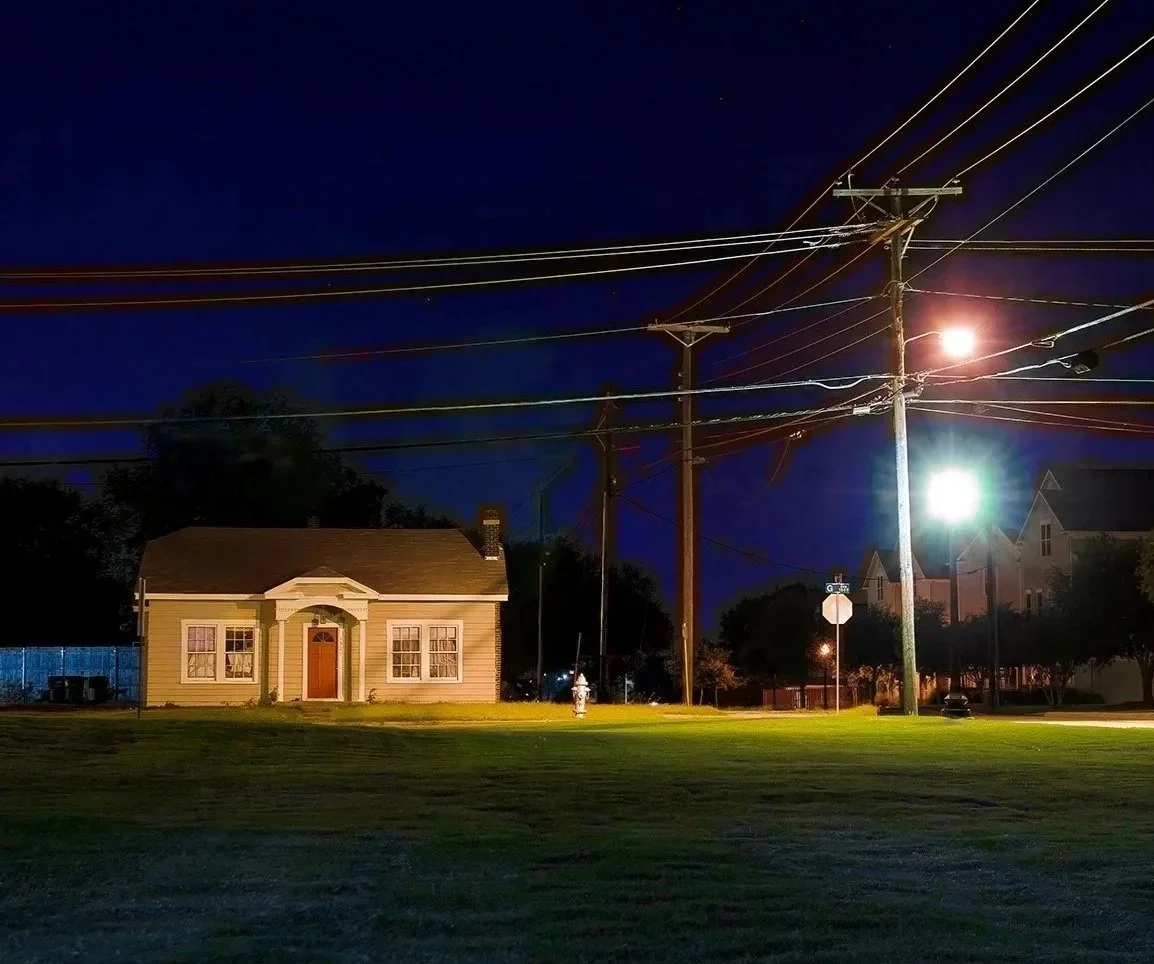
Tom Venner’s photographs avoid spectacle. They move past the obvious landmark, the dramatic vista, and the overworked idea of the “decisive moment.”
They begin somewhere quieter: with light on a wall, the geometry of a building, a roadside structure, a window, a shadow, a surface worn down by use and time.
The work asks for a slower kind of attention. A storefront, a sign, a threshold, or an empty stretch of road becomes less ordinary the longer it is looked at. Venner’s images often sit in that space between documentation and abstraction, where a place is still clearly itself, but begins to operate as shape, tone, memory, and atmosphere.
Across the connected bodies of work Local Light and Distant Light, geography matters less than perception. Some photographs are made close to home; others come from travel. But the distinction is not simply local versus elsewhere. The stronger connection is in the way Venner looks: directly, patiently, and with a preference for what remains after the noise has been removed.
Against the obvious image
There is a restrained resistance in this work. Venner is not trying to make places look more important than they are. He is interested in what is already there, and in what most people pass without registering.
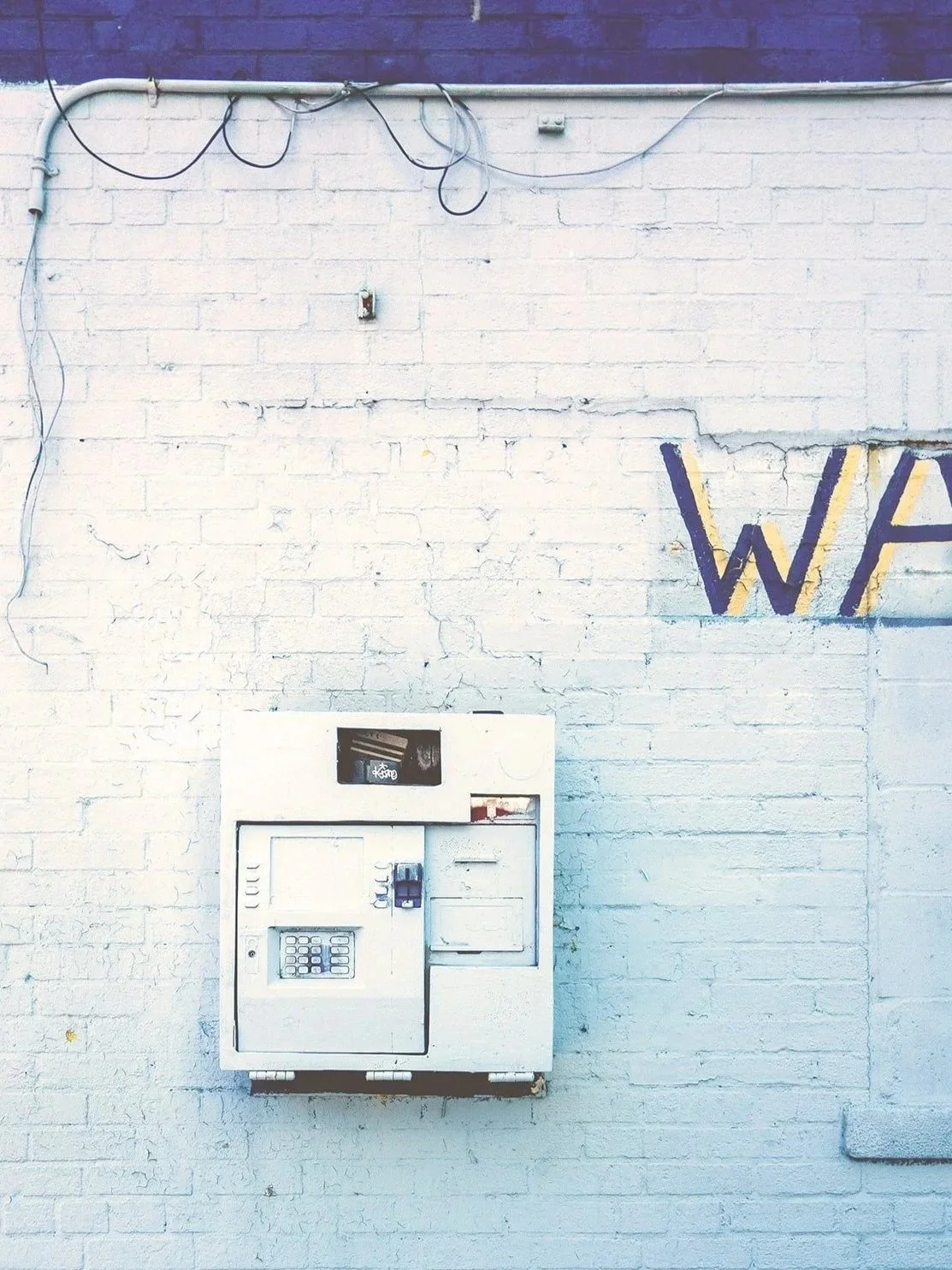
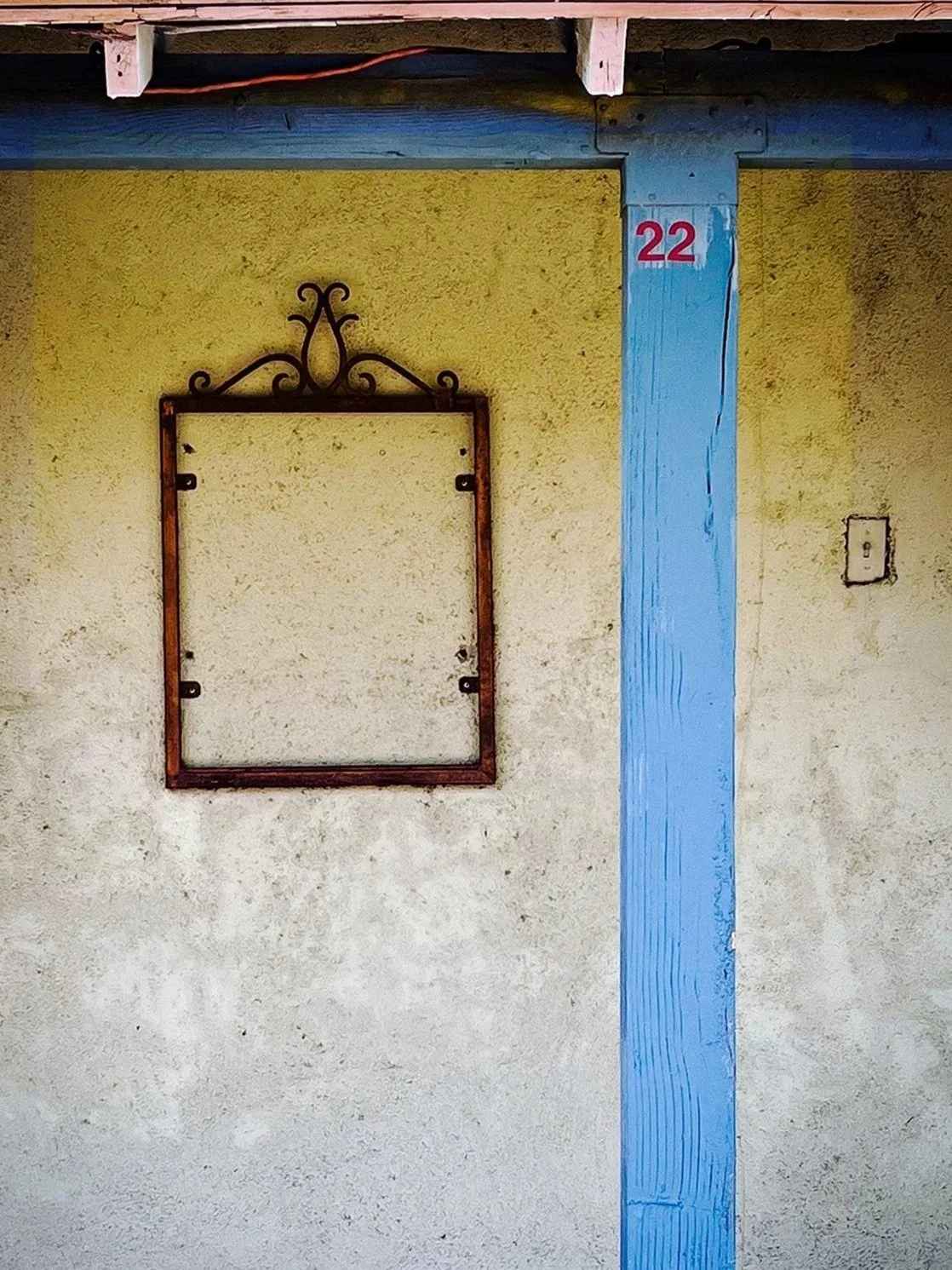
That interest gives the photographs their particular tension. They are restrained, but not passive. Many are built from the hard facts of the physical world: architecture, pavement, glass, signage, weather, color, shadow. But they are not simply records of things. They are records of attention.
A finished photograph becomes a way of saying: this was enough to stop for. This corner, this wall, this arrangement of light, this leftover trace of human presence. The subject may be modest, but the act of looking is not.
“A photograph gives me a way to slow down long enough to understand what made me stop and look.”
A designer’s eye, without the brief
Venner comes to photography with the eye of someone who has spent decades making visual decisions professionally. His background in visual communications, design, marketing, and art direction gives him a practiced sense of structure: how an image holds together, where weight belongs, when space should be left alone, and when an idea has been pushed too far.
That matters here, but the photographs do not feel designed in the commercial sense. If anything, photography seems to give Venner a way to step outside the negotiated world of client work. In design and marketing, images are often asked to do a job. They support a message, carry a brand, serve an audience, move a viewer toward a decision.
These photographs are different. They are not trying to persuade. They are not solving a communication problem. They are the result of following a visual instinct without needing to justify it to anyone else.
That tension is part of what makes the work interesting: the discipline of design is present, but the assignment is absent.
Returning to the camera
Photography entered Venner’s life early, shaped in part by the clarity and formal intelligence of photographers such as Paul Strand, Irving Penn, Walker Evans, and Bernice Abbott. Their influence is not hard to sense: the respect for ordinary subjects, the interest in structure, the belief that direct looking can carry emotional weight without theatrics.
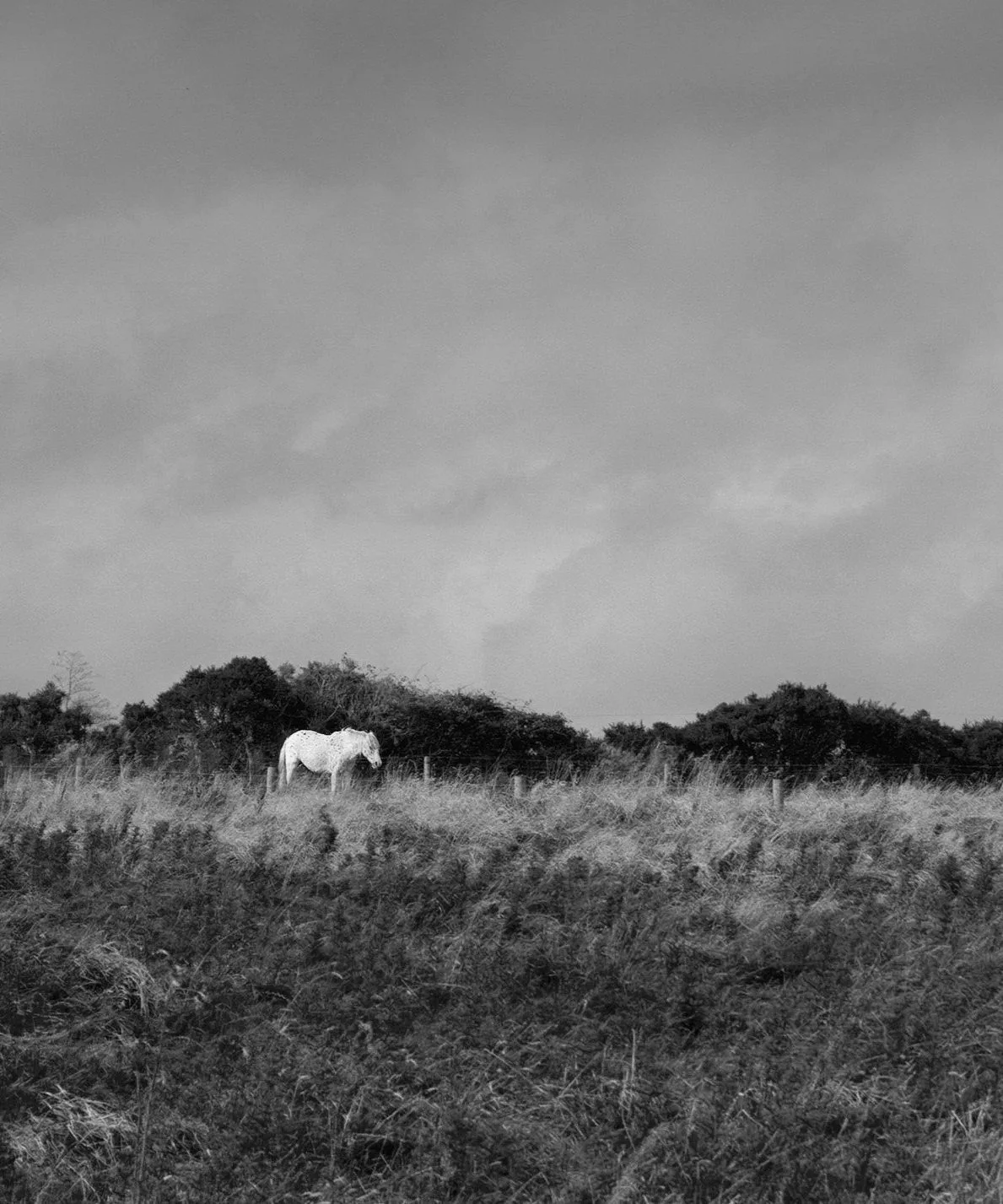
Like many creative practices, photography moved in and out of view. Venner set it aside while completing his education and building a career. Years later, before a first trip to Ireland, he bought a new camera. What could have remained a travel purchase became a return to a way of seeing that had been waiting in the background.
That return matters because the work does not feel like a hobby suddenly taken up. It feels like a visual language resumed — one shaped by years of professional looking, but released from professional obligation.
What the image becomes
The photographs begin in the world, but they are completed through editing. Venner is drawn to that second stage of the work: the shaping, refining, and resolving of the image after the shutter has closed.
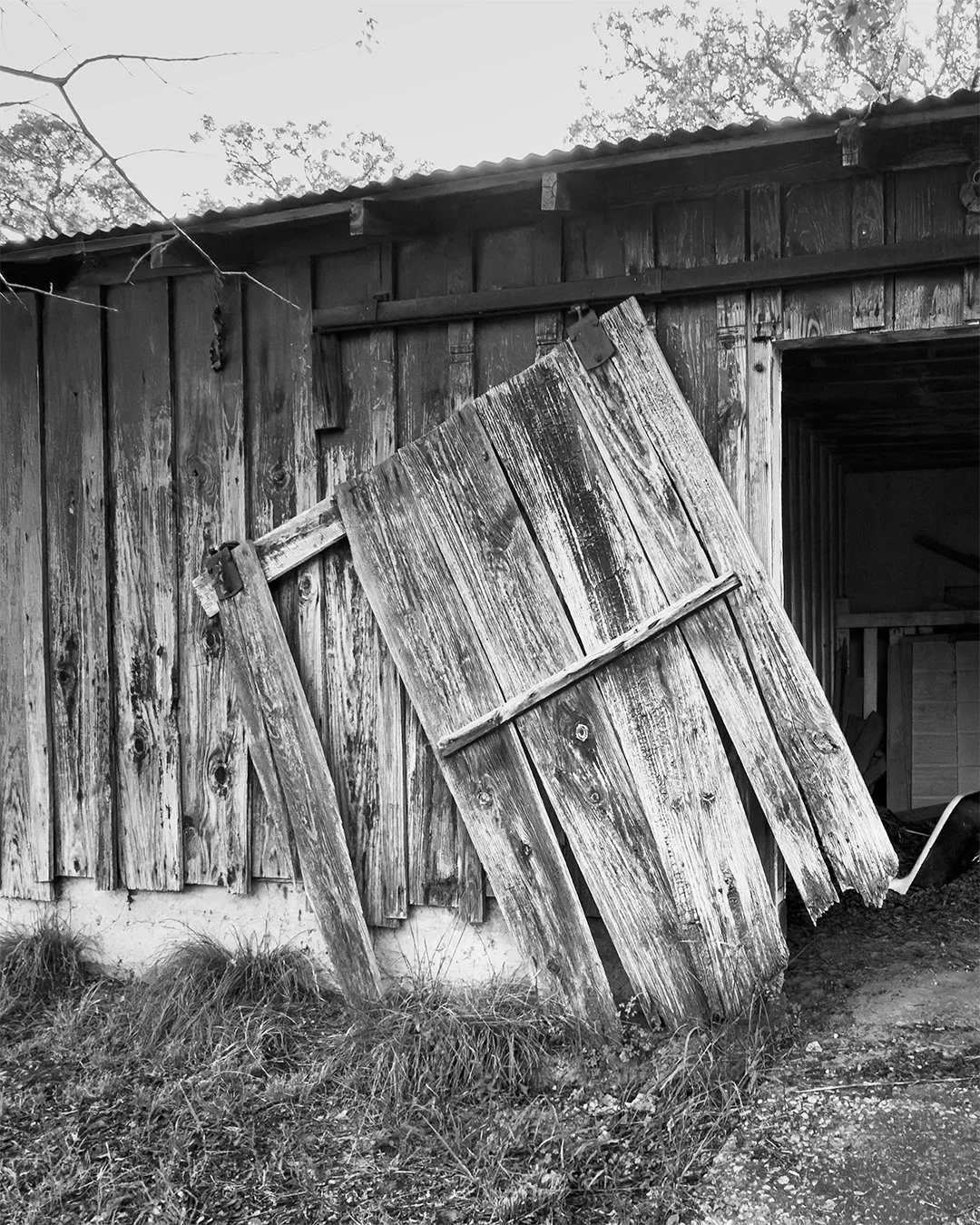
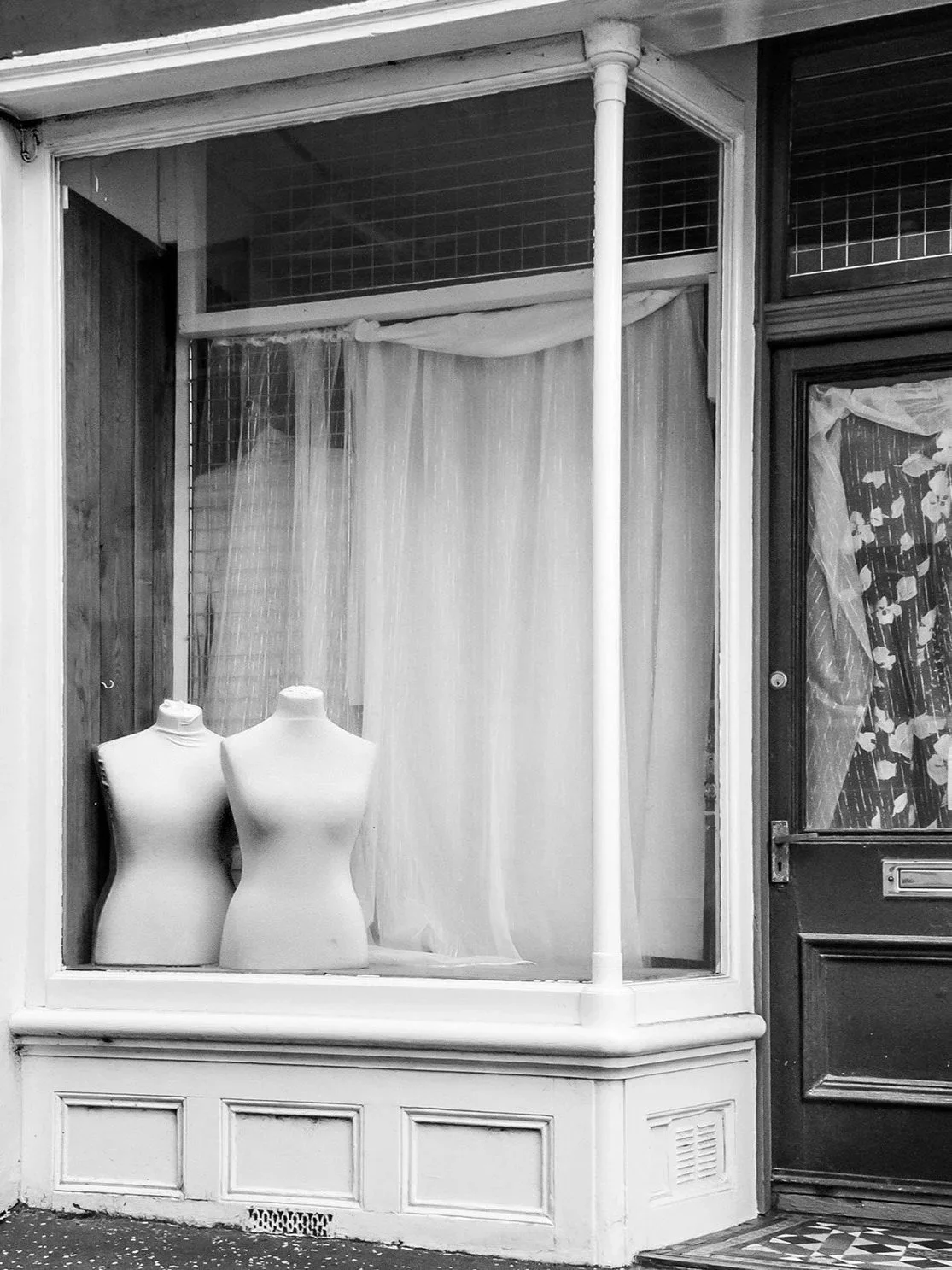
Earlier, that meant the darkroom. Today, it means Lightroom. The tools changed, but the question remains similar: how can the photograph become more itself?
This is not about overworking the image or making reality more dramatic. It is about control, restraint, and fidelity to the original point of attention. Tone, contrast, crop, and sequence become ways of removing distraction. The goal is not volume. It is clarity.
Local light, distant light
The work is organized around two related ideas: Local Light and Distant Light.

Local Light looks at the familiar without assuming it is already understood. These photographs come from ordinary surroundings: buildings, streets, structures, quiet corners, passing details.
They suggest that proximity can dull attention, but it can also reward it.
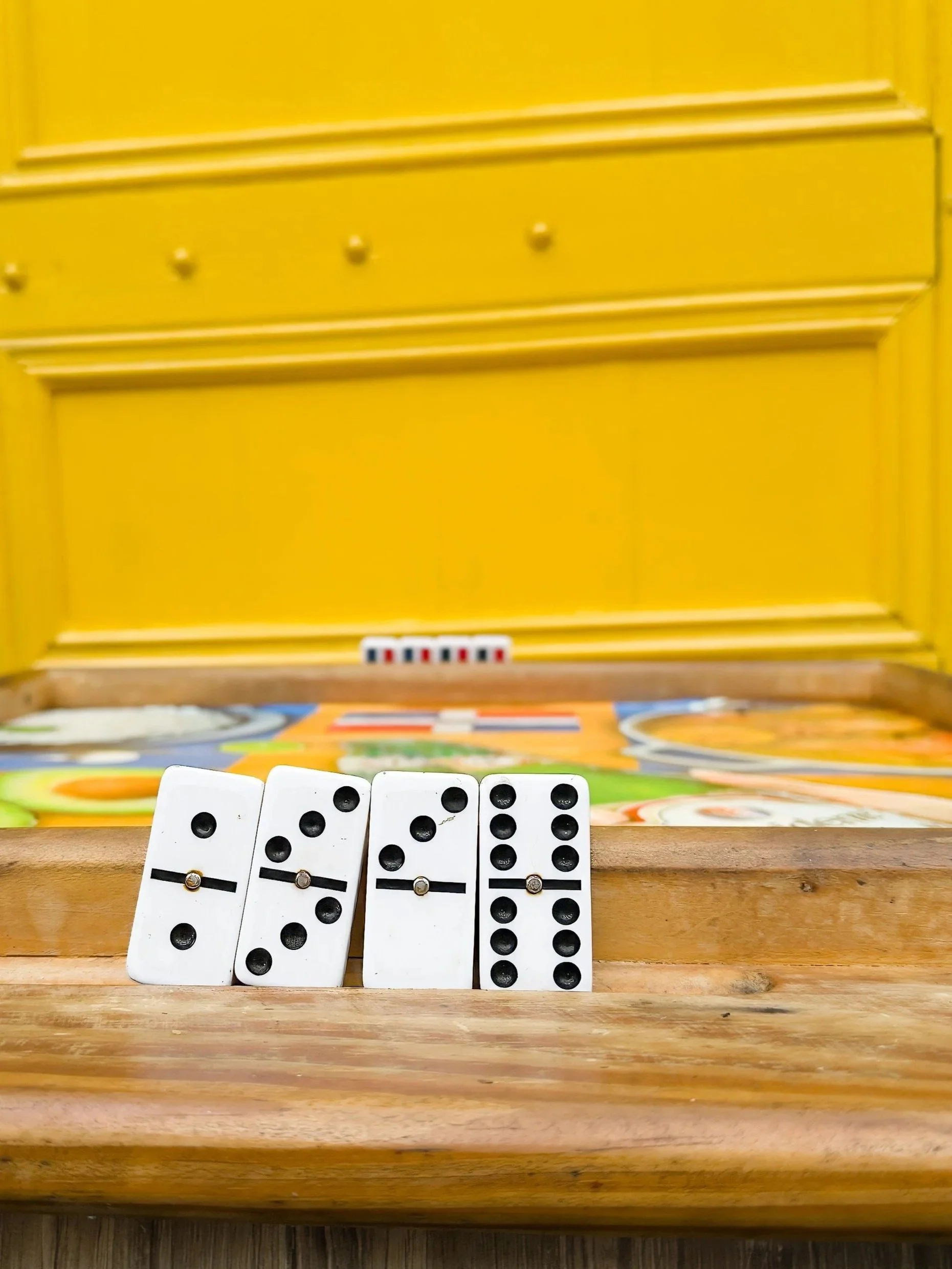
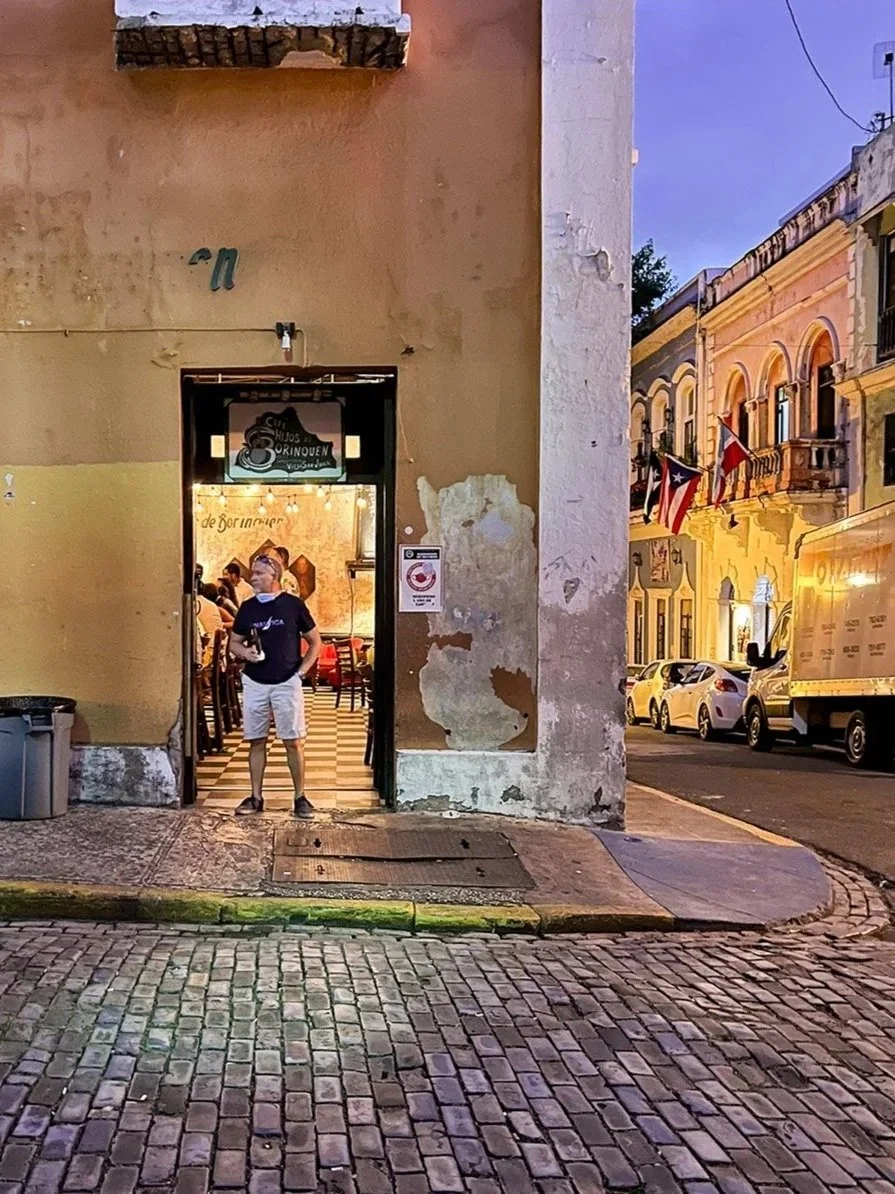
Distant Light begins with travel, but avoids the expected grammar of travel photography. These are not images built around arrival or destination.
They are about the heightened awareness that can happen elsewhere, when routine drops away and the eye becomes more available.
Together, the collections make a clear argument: place becomes interesting when someone looks long enough to see what is actually there.
View the photographs
Explore the connected collections of Local Light and Distant Light, or browse the individual galleries organized by mood, subject, and visual character.
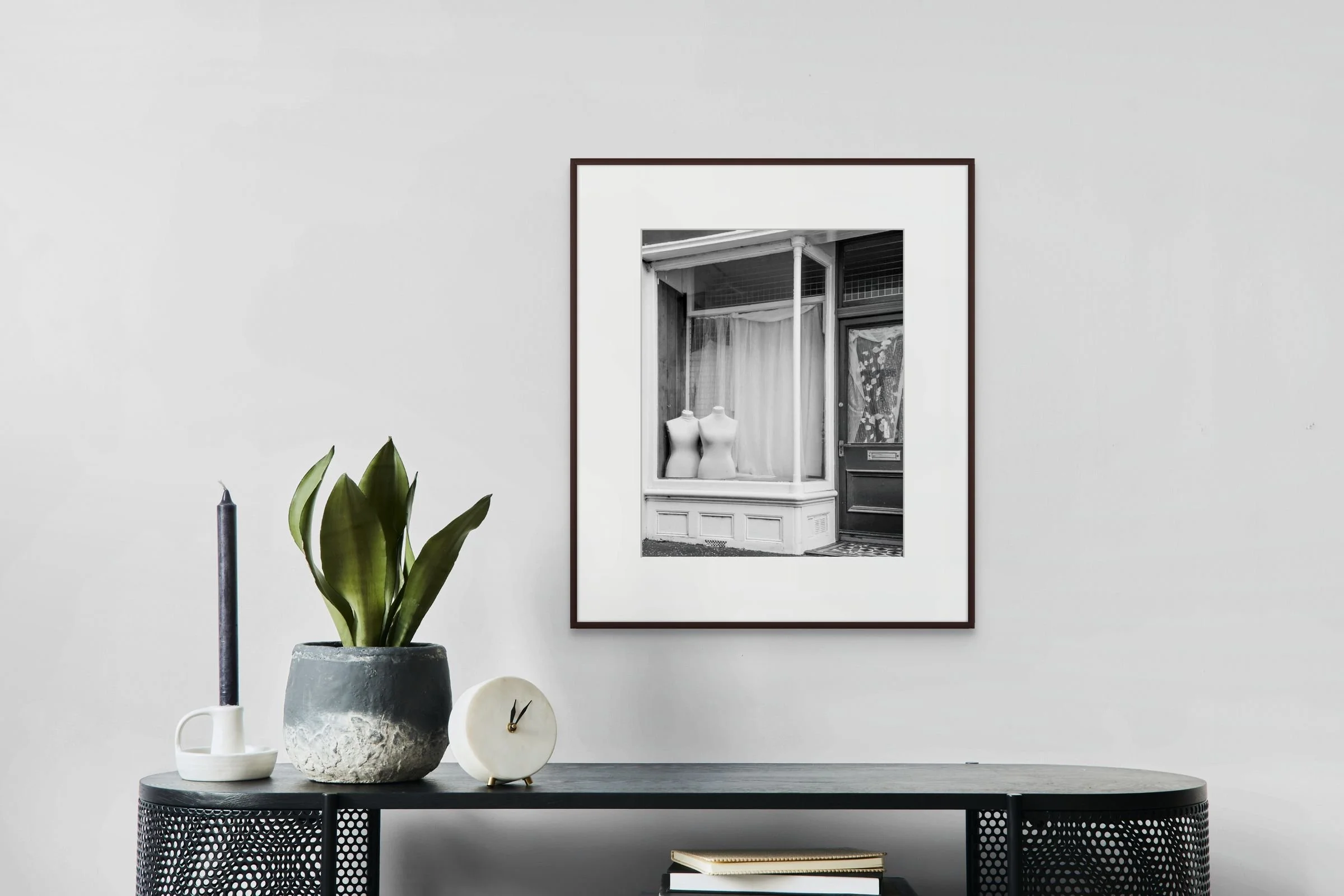
Selected images are available as prints
Some photographs from this site are available as made-to-order prints. Browse the current print collection to see available images, sizes, paper details, and room-view examples.